By Angu Lesley
Football Writer,kick442.com-Cameroon
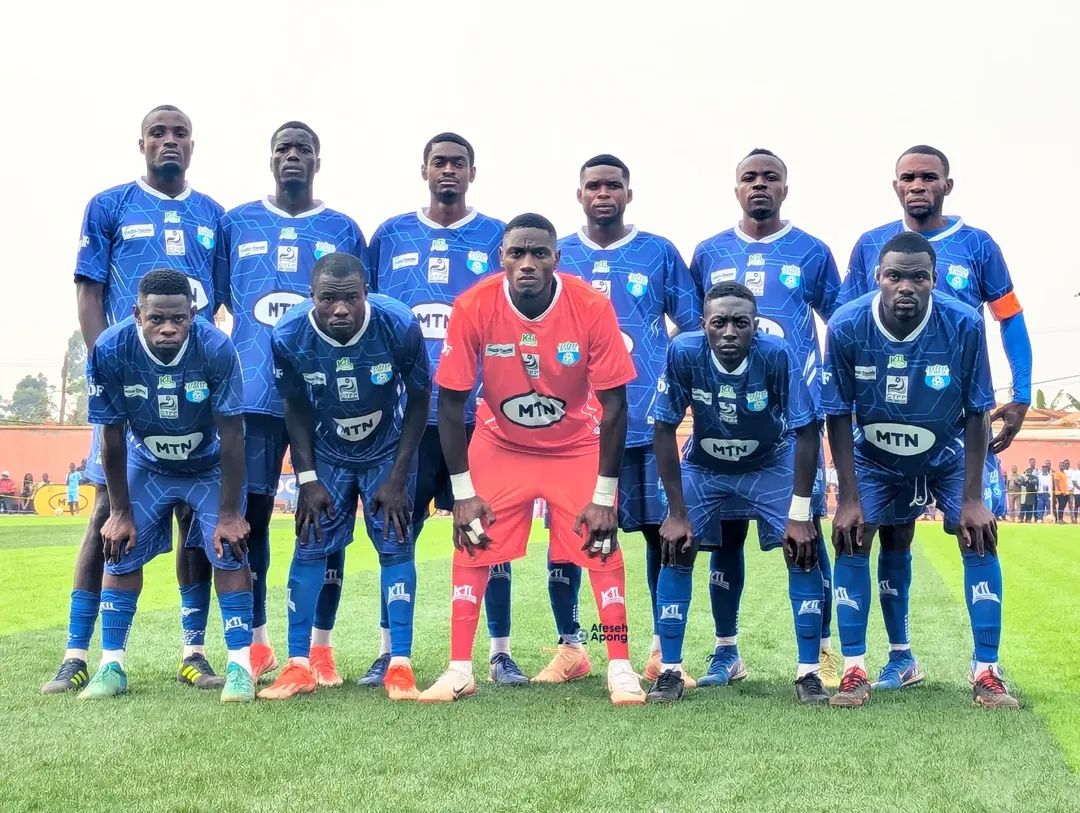
The financial difficulties affecting Cameroon’s top-flight championship continue to surface, with players of PWD of Bamenda becoming the latest to stage a protest over unpaid salaries and bonuses.
On Tuesday morning, the Abakwa Boys reported to the Bamenda Proximity Stadium for their scheduled training session but refused to train, claiming they are owed four months’ salaries and three match bonuses.
Sources indicate that since the start of the 2025/2026 season in January, PWD players have received salary for only one month and a limited number of match bonuses. With only three games remaining before the end of the campaign, the players decided to suspend training activities until their concerns are addressed.
The situation reportedly worsened when the players were denied the use of the team’s bus following the aborted training session, forcing them to seek alternative means of transport.
PWD Bamenda, one of Cameroon’s most historic clubs, is also among the lowest-paying sides in the country. The club has long relied on a policy of recruiting and promoting young players who are generally less demanding financially.
PWD’s protest comes after similar actions by players of Aigle Royal de la Menoua, while footballers from Aigle du Moungo, Fortuna FC and Union Sportive of Douala have also publicly voiced their frustrations over unpaid salaries and bonuses.
The growing number of disputes paints a troubling picture of the state of player welfare in Cameroon’s domestic league.
Reports indicate that Elite One clubs were promised 48 million FCFA each per season by FECAFOOT as subventions intended notably to support salary payments. However, several club officials say only eight million FCFA has so far been disbursed. Coupled with the enormous costs associated with running professional clubs, the delay in these payments is said to have significantly contributed to the inability of many teams to meet their obligations towards players and technical staff.
Ironically, these realities contrast with the widespread impression on social media that player welfare has greatly improved since Samuel Eto’o took over as President of FECAFOOT. While supporters of the current administration often point to reforms introduced in recent years, a brief examination of the situation across several clubs reveals that salary arrears, unpaid bonuses and difficult working conditions remain recurring issues within the domestic game.
As the season heads towards its conclusion, the succession of protests across the league raises fresh questions about the financial sustainability of Cameroonian club football and whether the promised reforms are translating into better living conditions for those at the heart of the game — the players.

 English
  French