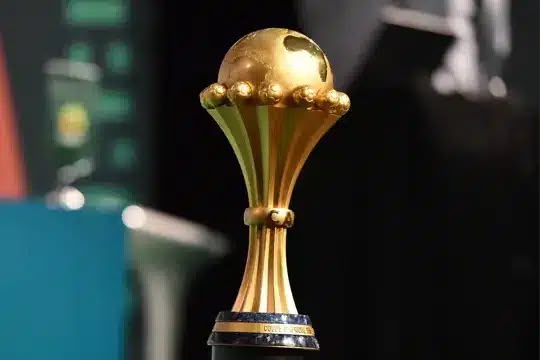
By Angu Lesley
Football writer kick442.com – Cameroon
The Confederation of African Football (CAF) could be preparing to rethink its decision to move the Africa Cup of Nations (AFCON) to a four-year cycle, with president Patrice Motsepe revealing that a return to the traditional biennial format is now being examined.
Motsepe confirmed that the continental governing body is reviewing the frequency of its flagship national-team competition, less than a year after CAF moved towards a longer gap between editions.
We are looking into bringing AFCON back to every two years. That’s under review,” Motsepe said.
The comments could mark a major shift in CAF’s thinking after the proposed four-year cycle generated considerable debate across African football. The biennial AFCON has traditionally been one of the most important events on the continent’s sporting calendar, offering national teams regular opportunities to compete for the continent’s biggest international prize.
CAF had defended the move to a four-year cycle on commercial and scheduling grounds. The change was also presented as a way of reducing clashes between international commitments and the increasingly crowded club calendar, particularly for African players based in Europe.
Motsepe had previously pointed to the difficulties faced by players who are regularly caught between their national-team responsibilities and demands from their clubs. CAF also believed a less frequent AFCON could increase the tournament’s commercial value and create greater revenue opportunities.
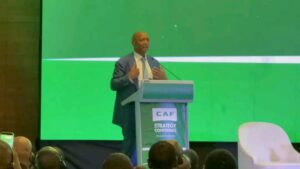
President Motsepe at Cabo Verde
The proposed restructuring was set to see the 2027 AFCON in Kenya, Tanzania and Uganda followed by a special 2028 edition before the competition moved into a four-year rhythm. CAF had also planned an African Nations League from 2029, providing national teams with another regular international competition.
A return to a two-year AFCON would therefore represent a substantial change to that roadmap. It would restore the competition’s familiar rhythm and ensure African nations continue to compete for the continental crown at regular intervals.
For now, however, CAF has stopped short of announcing a reversal. Motsepe’s comments indicate that the issue remains under assessment, meaning the four-year model remains in place unless the governing body formally decides otherwise.
With AFCON having been played predominantly every two years since its creation in 1957, the latest development is likely to reignite the debate over how African football should balance commercial ambitions, player welfare, club interests and the importance of international competition.
The final decision will now be closely watched by federations, players, clubs, sponsors and supporters across the continent as CAF determines the long-term shape of Africa’s premier national-team tournament.

 French
  English