By Angu Lesley
Football Writer, Kick442.com-Cameroon
What makes a division proud? Is it only the number of ministers, parliamentarians, senior public servants, businesspeople and influential personalities it produces? Or is it also the ability of its sons and daughters to come together behind a common project that puts their home community on the map?
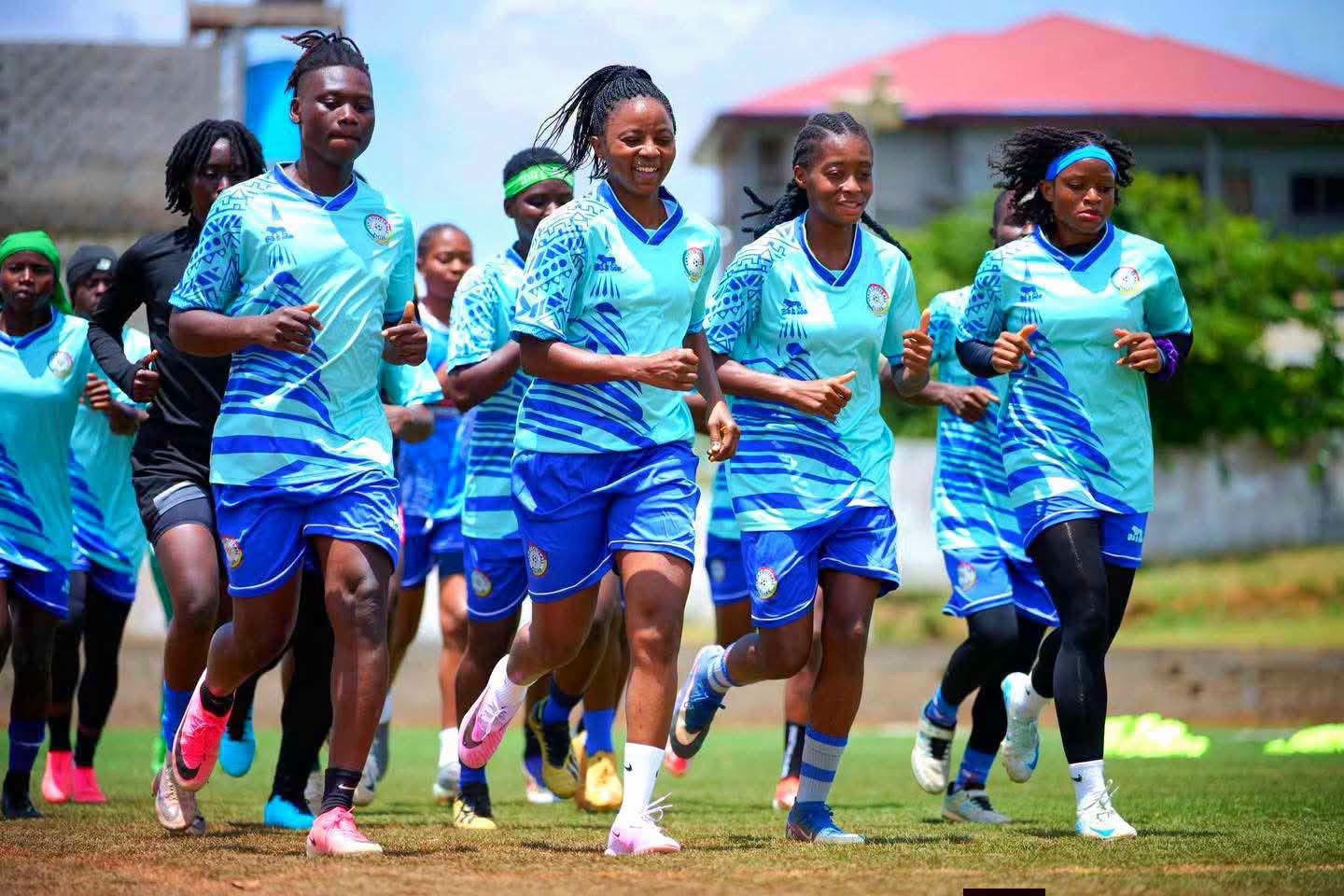
As Lékié Football Filles prepares to represent Cameroon at the 2026 CAF Women’s Champions League in Egypt, these are questions worth asking. The club is doing something that deserves the attention of the entire Lékié: carrying the division’s name onto one of the biggest stages in African women’s football. Its players are not simply representing a club. They are girls whose performances are giving their division visibility, recognition and a reason to celebrate.
The name itself says it all: Lékié Filles. These are the girls putting Lékié on the African football map. Whatever their results in Egypt, qualifying for this competition is already a significant achievement. Now the opportunity exists to build on it, and the division’s influential sons and daughters should see themselves as part of that journey.
Coach Stéphane Ndzana and his technical team have been preparing the squad for a demanding competition. The club has also invested in recruitment, bringing in experienced players to strengthen its chances against some of the continent’s leading sides. Such preparations require resources, planning and ambition. They also deserve an environment in which the people represented by the team can contribute to its progress.
This is where the Lékié’s elites can make a difference. Minister Henri Eyebe Ayissi, Minister Chargé de Mission at the Presidency Benoît Ndong Soumhet, other senior government officials, parliamentarians, senators, mayors, traditional rulers, business leaders and successful members of the Lékié diaspora all have an opportunity to help. The late Honourable Nkoa Luc, associated with the club’s ownership, was a colleague of many of these public figures. Since his demise, his wife has continued to sustain the project and build on the work already done. That commitment deserves encouragement and a wider circle of support.
This is not a call to suggest that the club is in crisis. It is an appeal to recognise an opportunity while it is unfolding. The support of the elites could help Lékié Filles strengthen its preparations, improve its working conditions, attract sponsors and establish a more sustainable foundation for the future. The club should not have to wait until it wins a trophy before its achievements are recognised by the people whose division it represents.
There are examples elsewhere in Cameroon that show what collective commitment can achieve. Professor Jacques Fame Ndongo, a member of Colombe Sportive du Dja et Lobo’s Council of Elders, has publicly encouraged the club and helped mobilise support around its continental campaign. Following Colombe’s 2-0 victory over Teungueth FC in Senegal in October, he welcomed the team and called for collective backing ahead of the return leg. Reports also indicated that a special bonus of FCFA 6.3 million was presented to the club after that victory. His involvement illustrates how influential personalities can use their position to encourage a football project representing their community.
The example is not limited to the South Region. In the North-West, elites and supporters rallied around PWD Bamenda, raising funds after the club’s bus was destroyed by fire and later helping provide the team with a new bus valued at approximately FCFA 55 million. In 2023, North-West elites also reportedly contributed FCFA 50 million to help PWD prepare for the Cameroon Cup final. These were tangible expressions of community support, demonstrating that football can unite people around a shared ambition.
Imagine what could happen if more divisions adopted this spirit. Imagine a Cameroon in which successful businesspeople, public officials, traditional authorities and members of the diaspora regularly support the clubs representing their communities. Clubs would have better preparation, more stable resources and improved opportunities to develop young talent. Support would not have to mean one individual financing everything. It could mean several people contributing according to their means, businesses offering sponsorship, companies providing transport, and public figures helping clubs establish partnerships.
That is the kind of culture the Lékié can help build. Its elites already have networks, experience and resources that could benefit the club. By working with Lékié Filles’ leadership, they could establish a transparent support initiative that identifies the team’s needs and channels contributions towards clearly defined objectives. Such a model could continue after the continental tournament, supporting youth development and the long-term growth of women’s football across the division.
The upcoming competition provides the immediate opportunity. Lékié Filles will open its Group A campaign against Morocco’s FUS Rabat on November 1, face South Africa’s Mamelodi Sundowns on November 4, and meet Egypt’s FC Masar on November 7. The group-stage matches will test the team against experienced opposition, while the tournament itself offers a platform for the club to showcase its players and the quality of football emerging from the Lékié.
The experience of Eding Sport, which won Cameroon’s Elite One championship in 2017, also offers an opportunity for reflection. A club can achieve national success and qualify for continental competition, but sustaining that progress requires more than the efforts of its immediate management. The lesson for the Lékié is not to dwell on the past, but to ensure that the opportunity presented by Lékié Filles receives broad and lasting community support.
The appeal should also extend beyond the Lékié. Other divisions and regions across Cameroon have clubs that represent their identity and aspirations. If more elites followed the examples set by Jacques Fame Ndongo, the North-West contributors behind PWD Bamenda and others who have invested in local football, the country’s clubs could benefit from a stronger culture of community ownership and support.
Lékié Filles is already doing its part by raising the name of the division. Now the division’s elites have an opportunity to do theirs.
Let Henri Eyebe Ayissi, Benoît Ndong Soumhet and other influential sons and daughters of the Lékié join hands with business leaders, traditional authorities, local communities and the diaspora to support coach Stéphane Ndzana and his players. Let the club’s progress become a shared project rather than the responsibility of a few committed individuals.
The girls are carrying the name of the Lékié into Africa. With the right collective support, their journey can inspire a generation and show what is possible when a community stands behind its own.
When a club raises the name of its division, supporting that club is one way for the division to raise its own name.

 French
 English