By Neilley Claude EBESSA
Journalist at kick442.com – Cameroon
A mere coincidence? No, a clinical diagnosis. The outcome of the recent Round of 32 exposes the greatest flaw in modern African football: a chronic inability to manage “money-time.” When talent collapses in the face of tactical cynicism, Africa weeps, and European giants rejoice.
The Assessment: A Killer Clock, Three Identical Verdicts
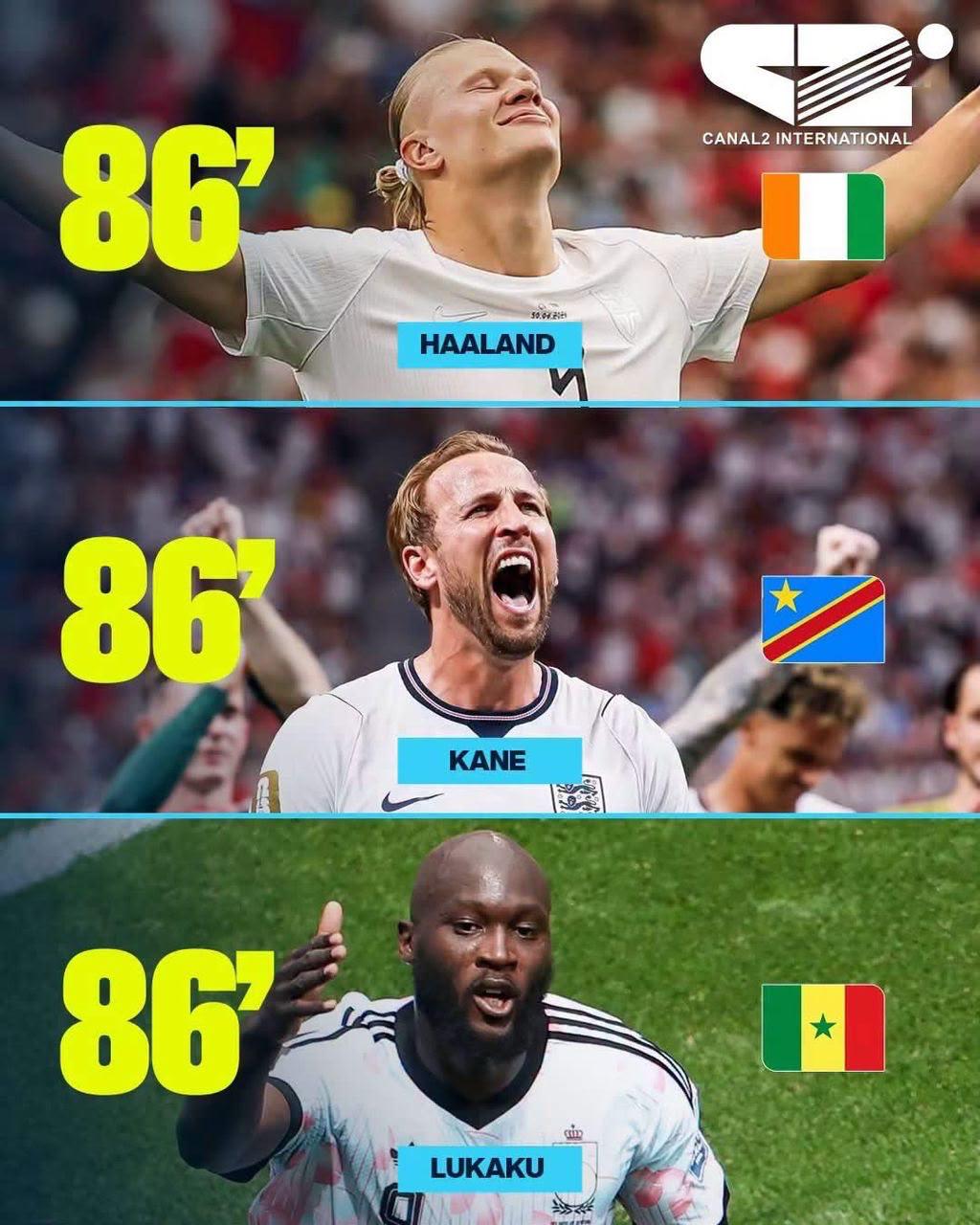
Elite football is played on fine margins, and the scoreboard of this World Cup has proven to be mathematically cruel to the continent. Within a span of 48 hours, the destiny of three African nations shifted dramatically in precisely the 86th minute of their respective matches.

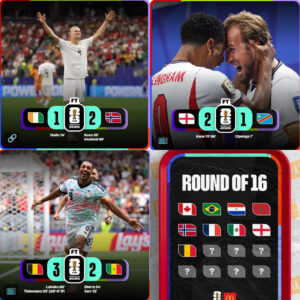
Ivory Coast vs. Norway (1-2) – June 30, 2026: In a grueling match of physical attrition where the Elephants matched their opponents’ intensity, Amad’s equalizer (74th) had restored parity. But in the 86th minute, Erling Haaland’s clinical realism punished a lack of central coverage, sealing the Ivorian elimination.
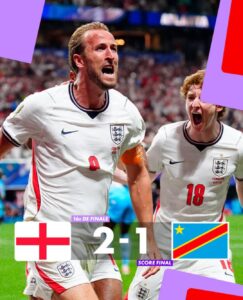
England vs. DR Congo (2-1) – July 1, 2026: The Leopards rattled the Three Lions following an early opener by Cipenga (7th). After Kane’s equalizer (75th), the DRC had a duty to lock things down and secure a historic extra time. Instead, Harry Kane struck again in the 86th minute, exploiting poor defensive alignment to dash Congolese hopes.
Belgium vs. Senegal (3-2, A.E.T.) – July 1, 2026: The Teranga Lions were orchestrating a tactical masterpiece (2-0). Then came the blackout. Romelu Lukaku pounced in the 86th minute, capitalizing on a lapse in the defensive block to reduce the deficit. This instilled a doubt that would lead to Tielemans’ equalizer (89th) and the final blow in extra time.
Why Does Africa Crumble in Money-Time?
Three different matches, three distinct dynamics, yet the same breaking point. This phenomenon is no longer an isolated match incident; it is a structural issue that can be broken down into three major factors:
1. The Failure of “Tactical Cynicism” and Bench Management
Do we know how to “kill” a match? Do we know how to commit an intelligent tactical foul 40 yards from our goal to break the opponent’s rhythm? The answer is often no. Against Belgium or England, African teams continued trying to play or dropped back passively without imposing a physical break. Furthermore, the substitution management by coaching staffs raises questions: when players come off the bench, they sometimes struggle to stabilize the tempo and provide the necessary freshness to lock down the game.
2. The Deficit in Psychological Concentration
The highest level of football demands 95 minutes of vigilance. By the 86th minute, physical fatigue sets in, but it is mental fatigue that proves fatal. In all three conceded goals, there were blatant lapses in concentration: dropped marking on Lukaku, poor alignment against Kane, and a gaping void left for Haaland. These world-class strikers only need a single second of absence to punish you.
3. The Emotional Management Complex
When trailing or under pressure, Europeans (Belgium, England) remain robotically calm. They stick to their preferred tactical patterns until the very last second. On the African side, as soon as the first blow lands, a wave of panic often grips the squad. Mental leadership on the pitch is sometimes lacking to reorganize the defensive block and calm the game down.
The Priority Project: Moving from the Beautiful Game to a Winning Culture
These African-European fixtures prove that African football no longer has anything to envy in terms of technical, physical, or athletic ability. Senegal outclassed Belgium for 80 minutes, and the DRC made England tremble. But talent without rigour means nothing in a World Cup knockout stage.
The priority project for the coming years will not lie in the intrinsic qualities of our players, but in their minds. Until our national teams integrate this culture of tactical vice, iron discipline in the final minutes, and emotional control, the 86th minute will remain the graveyard of our global ambitions.
Who is to blame? A lack of maturity from the players, flawed coaching from the managers, or simply the mental superiority of European forwards? Do these repeated scenarios point to a mere bad run of form, or a genuine tactical glass ceiling?

 French
  English