By Angu Lesley
Football Writer,kick442.com-Cameroon
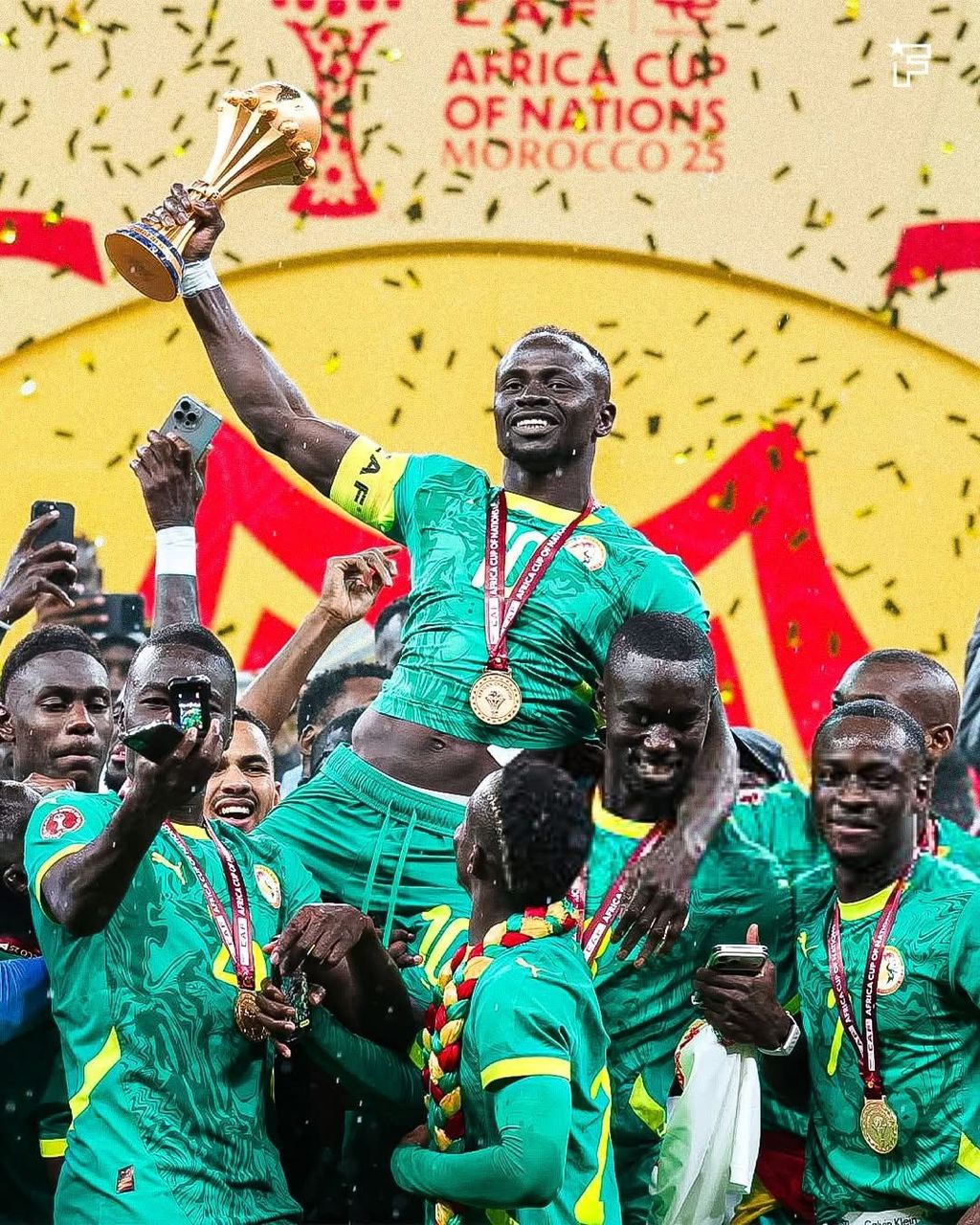
The Confederation of African Football (CAF) has asked all 54 member associations to recommend whether the Africa Cup of Nations should continue every two years or move to a four-year cycle, reopening a debate that could reshape the future of the continent’s biggest football competition. In a letter dated October 23, 2026, from Cairo, acting CAF general secretary Samson Adamu said CAF president Dr Patrice Motsepe had requested the associations’ positions ahead of a decision by the confederation’s Executive Committee.
The consultation follows Motsepe’s statements at the CAF Strategy Conference in Cabo Verde and the virtual Executive Committee meeting of October 22, during which he indicated that CAF would reconsider its previous decision to stage AFCON every four years. The associations have been asked to submit their recommendations and comments before 13:00 on Wednesday, October 28, 2026, giving them only a few days to communicate their positions on the competition’s future.
CAF’s letter outlines several factors to be considered, including protecting the interests of its 54 member associations, ensuring financial sustainability, safeguarding African players’ interests and respecting the FIFA international match calendar. The confederation also highlighted AFCON’s role in celebrating Africa’s diverse cultures and bringing together people from across the continent, the African diaspora and the wider world.
A major consideration is the proposed African Nations League, which was suggested as a competition similar to AFCON and played every two years. CAF acknowledged that the new tournament could require several years to generate significant financial contributions for the confederation and its member associations if AFCON moved to a four-year cycle. The financial implications of changing the format are therefore expected to feature prominently in the discussions.
First staged in 1957 with just three participating nations, AFCON has grown into a 24-team finals tournament and one of the defining events in African sport. Its traditional two-year cycle has given national teams regular opportunities to compete for continental honours while providing football associations with international visibility and potential commercial returns. A switch to four years could ease some scheduling pressures, but it would also mean fewer editions of the competition and potentially affect associations that depend on its financial benefits.
CAF has not announced a final decision in the letter, instead inviting its members to contribute before the Executive Committee weighs the relevant factors. The outcome will shape the calendar for African national teams and influence the financial and sporting direction of the continent’s football. For now, the message from Cairo is clear: the future of AFCON’s two-year tradition is under review, and the voices of all 54 member associations are being sought before CAF determines the way forward.

 English
 French