By Kosi Kosimbom
Journalist kick442.com – Cameroon
Landing at Mohammed V International Airport in Casablanca, the Africa Cup of Nations announces itself immediately. AFCON colors line the terminals, banners hang proudly, and the warmth of African hospitality fills the air. Before a ball is kicked, you already feel it: Morocco is ready, and Africa has arrived.
Morocco’s infrastructure sets the tone for the entire experience. From wide, smooth highways to well-planned cities and an efficient transport network, movement across the country is seamless. For a journalist constantly chasing stories across host cities, this matters. After landing, the first official stop is the accreditation center in Casablanca a rite of passage that transforms anticipation into reality. Once that badge is collected, the doors to reporting, access, and storytelling officially open.
Travel quickly becomes part of daily life. Buses, domestic flights, regular trains, and the high-speed TGV connect major cities. Most journeys are done by train—reliable, affordable, and scenic. Casablanca to Rabat costs about 50 dirhams, Rabat to Marrakech around 200 dirhams. Reaching Agadir requires a mix of transport: a train to Marrakech, then a bus onward, as rail lines do not yet extend there. Even long-distance bus routes, like Agadir to Casablanca, remain budget-friendly at roughly 120 dirhams. Within cities, taxis are everywhere, while ride-hailing apps like InDrive though unofficial are widely used and convenient.
The Moroccan people elevate the entire experience. Whether asking for directions, navigating transport, or simply sharing a moment over football talk, locals are welcoming, patient, and genuinely helpful. Language barriers rarely feel like obstacles when goodwill does most of the talking.
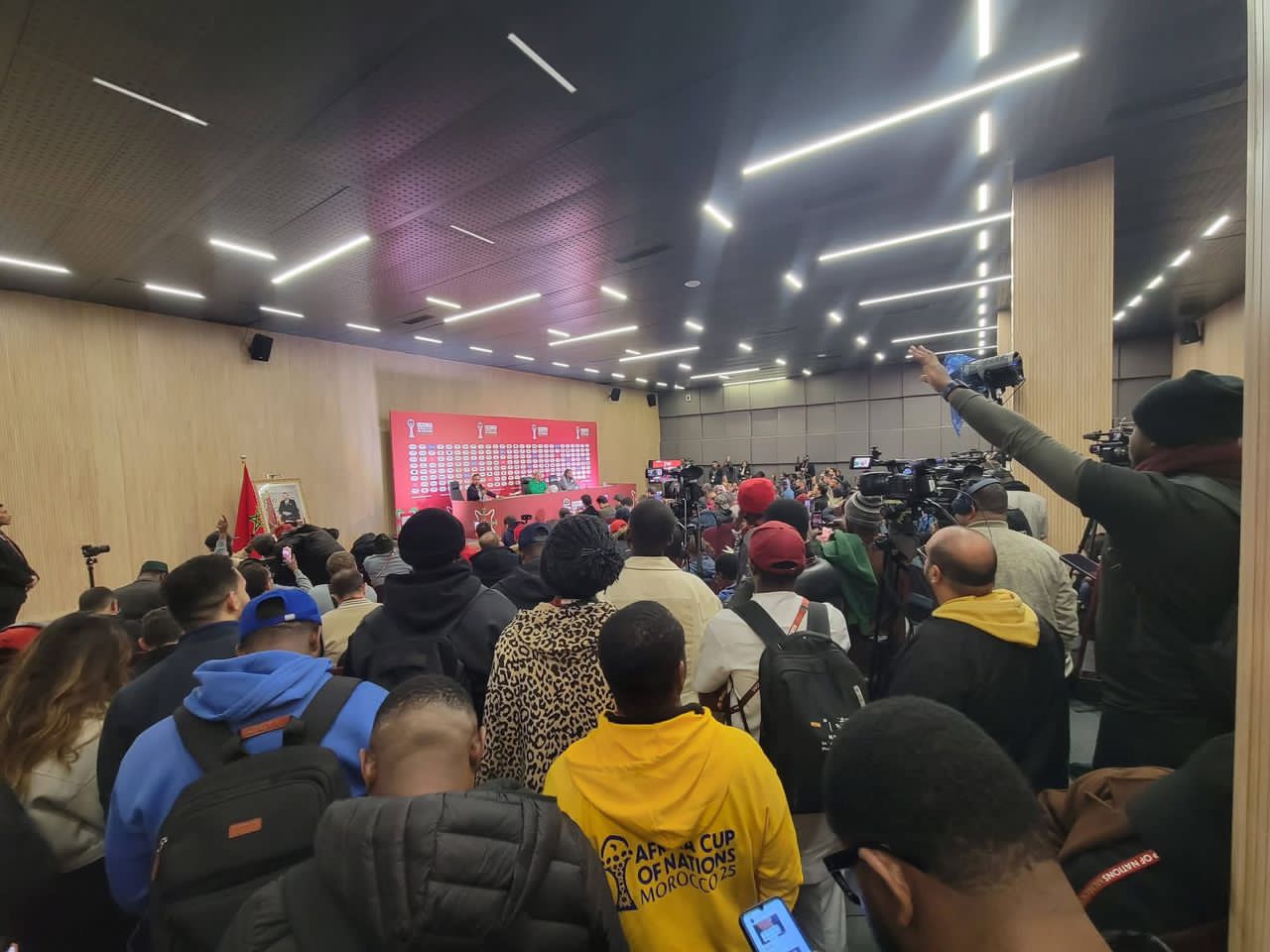
Workdays follow a familiar but demanding rhythm. On the eve of matches, mornings begin with official press conferences where coaches and players set the tone for upcoming fixtures. Afternoons are spent at the media center writing, editing, filing stories, and tracking developing narratives across the tournament. Evenings often lead to training grounds, where the first 15 minutes are open to the press, offering brief but valuable insight into team mood, tactical hints, and player sharpness.
Food becomes another journey within the assignment. Tight schedules often mean quick meals, burgers, tacos, fries grabbed between deadlines. But comfort eventually comes through the Cameroonian community. Across Morocco, Cameroonian women sell home-style meals: in Agadir, in Rabat, and in Casablanca. Finding these spots feels like discovering home away from home, a reminder of identity and culture in the middle of a demanding continental mission.
Matchdays are where everything comes alive. From interacting with fans hours before kickoff sharing chants, predictions, and passion to the deafening ambiance inside packed stadiums, AFCON delivers a unique energy.
Playing Morocco at the Prince Moulay Abdellah Stadium carries a special electricity, fueled by history, pride, and intensity. The atmosphere lingers long after the final whistle, spilling into streets, conversations, and post-match debates.
Another defining part of the assignment is the mixed zone experience after games. Positioned just outside the dressing rooms, this is where journalists get rare one-on-one moments with players as they walk through exhausted, emotional, and unfiltered. It is here that true reactions emerge: joy after a hard-fought win, frustration over missed chances, or honest reflection on pressure and responsibility. These brief exchanges often say more than formal press conferences, adding depth and humanity to match reports and features.
In the end, writing becomes more than reporting scores or tactics. It becomes a way of preserving moments, emotions, and lived experiences. Covering AFCON in Morocco is not just an assignment it is a journey through cities, cultures, and football’s soul. For a journalist, it is where deadlines meet dreams, and where Africa tells its stories on one of its grandest stages.

 English
  French