
By Neilley Claude EBESSA,
Journalist kick442.com – Cameroon
The Africa Cup of Nations (AFCON) is a football tournament that brings together some of the best and most passionate teams on the continent. But if you’ve never really watched it, the tournament can be a bit hard to follow. After all, AFCON is a different world — with its own unique teams, stars, and stories. But don’t worry! We’ve got a simple way to make sense of the madness by comparing African national teams to European clubs. Think of it as a cheat sheet for understanding the drama, the chaos, and the glory of AFCON, all through the lens of football clubs you know and love.

Morocco = Arsenal: The Perennial Almost-Champions
Morocco = Arsenal: The Perennial Almost-Champions
Let’s start with Morocco, the team that’s always in the conversation. Much like Arsenal, Morocco is a team that seems to be on the brink of greatness. They’ve got everything — strong players, top-tier performances — but somehow, when it matters most, they tend to fall short. Like Arsenal in the Premier League, Morocco’s history is a series of near-misses. Yet, their talent makes them a force to reckon with. No matter the form, you know they’ll always be in the mix, and it’s a bit heartbreaking when they don’t win it all.
DR Congo = England: The Constantly Hoping, Never Delivering
DR Congo = England: The Constantly Hoping, Never Delivering
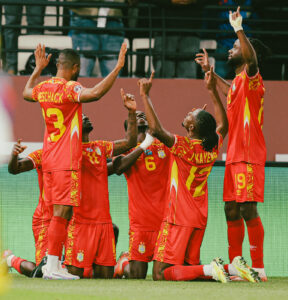
Next up, we’ve got DR Congo, which is essentially the England of African football. Every time AFCON rolls around, there’s the usual hope and hype. The players, the fans, and the pundits all say, “This is our year,” but then the inevitable happens: they fall short. DR Congo is full of talent, and like England, they always believe they can win it all, but somehow, it’s always one match away from falling apart.
Ghana = AC Milan: Once Great, Now on the Decline
Ghana = AC Milan: Once Great, Now on the Decline
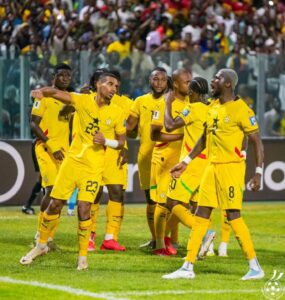
Ghana is like AC Milan in the sense that they were once a dominant force in the game. In the early 2000s, Ghana ruled the African football scene, much like Milan dominated European football with their Serie A titles and Champions League wins. But over time, both teams have struggled to maintain their former glory. Ghana’s failure to qualify for the recent AFCON is a clear sign of this decline, much like Milan’s struggles to return to the top of Italy’s football hierarchy.

Burkina Faso = Tottenham: The Heartbreaking Underdogs
Burkina Faso = Tottenham: The Heartbreaking Underdogs
You know Burkina Faso? They’re the Tottenham of AFCON. On their day, they can play with anyone — and they do so with incredible passion. But just when it seems like they’ll take the next step and become serious contenders, they lose a match they were never supposed to lose. They’re constantly on the edge of greatness, but they always end up as the team everyone feels could’ve done better.
Algeria = Borussia Dortmund: Rare Glories, Then a Long Wait
Algeria = Borussia Dortmund: Rare Glories, Then a Long Wait
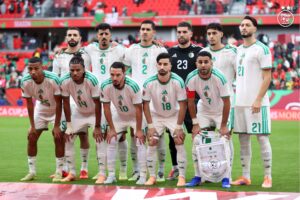
Algeria is a bit like Borussia Dortmund. They’re capable of winning it all, and in fact, they did just that in 2019. But don’t expect them to be consistently at the top. Much like Dortmund, who only win the Bundesliga now and then, Algeria has their moments of brilliance, but the future isn’t always guaranteed.
Cameroon = Chelsea: The Wildcard Champions
Cameroon = Chelsea: The Wildcard Champions
No one can predict what Cameroon will do at AFCON, much like Chelsea in recent years. Sometimes, you expect them to crash out early, but out of nowhere, they deliver a performance that stuns everyone and secures a surprise title. Cameroon’s unpredictability is what makes them such an exciting team — and, like Chelsea, they’re always in the conversation when it comes to winning big.
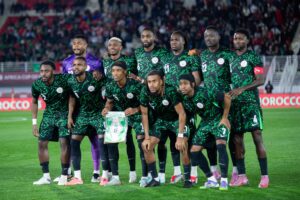
Nigeria = Real Madrid: The Stars Who Always Find a Way
Nigeria = Real Madrid: The Stars Who Always Find a Way
If you’re talking about Nigeria, you’re talking about a team filled with stars, much like Real Madrid. It’s not always the most elegant or aesthetically pleasing football, but they get the job done. With players like Ahmed Musa, Victor Osimhen, and Kelechi Iheanacho, Nigeria has always had the firepower to win. And, like Real Madrid, no matter the struggles or the critics, they’ll find a way to get over the line and remain contenders year after year.
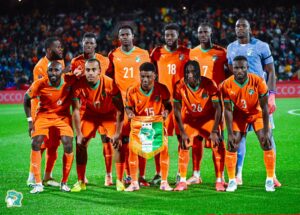
Cote D’Ivoire = Atletico Madrid: The Underdogs Who Surprise
Cote D’Ivoire = Atletico Madrid: The Underdogs Who Surprise
Much like Atletico Madrid, Ivory Coast isn’t the team you immediately think of when you talk about AFCON, but they’re always lurking in the background. They may not always win, but when they do, it’s a shock to the system. They play with grit and determination, and their unexpected triumphs give fans something to remember for years to come.

Senegal = Manchester City: The Rising Powerhouses
Senegal = Manchester City: The Rising Powerhouses
After years of being a solid team, Senegal has recently become a dominant force in African football. They’re like Manchester City: they didn’t have much history when compared to some of the older teams, but now they’re rising to the top with consistent performances and trophies (they won their first AFCON title in 2021). Much like City’s rise under Pep Guardiola, Senegal’s ascent has been rapid and powerful.
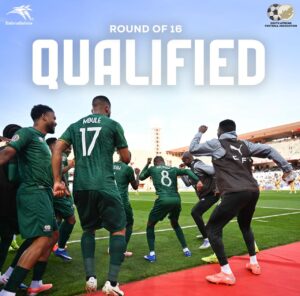
South Africa = Marseille: Living in the Past Glory
South Africa = Marseille: Living in the Past Glory
South Africa is like Marseille — they’ve had their time in the sun, with their historic AFCON win in 1996, but now they seem stuck living off nostalgia. Both teams haven’t been able to match their past success in recent years, and though they’re still competitive, you get the feeling that their best days are behind them.
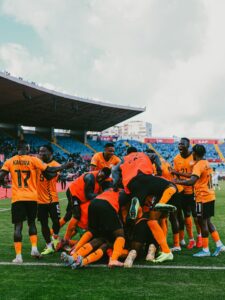
Zambia = Leicester City: The Ultimate Underdogs
Zambia = Leicester City: The Ultimate Underdogs
Every tournament needs an underdog team, and for AFCON, that’s Zambia. Their AFCON win in 2012 was a story for the ages, much like Leicester City’s fairy-tale Premier League victory in 2016. Both teams were a mix of local players, unexpected stars, and the kind of magic that only comes once in a lifetime. Will Zambia ever replicate that success? Maybe not, but they’ll always be remembered for defying the odds.
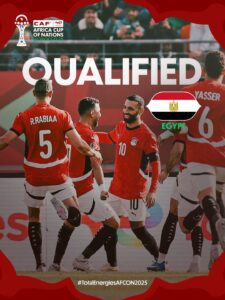
Egypt = Barcelona: The Fallen Giants
Egypt = Barcelona: The Fallen Giants
Once, Egypt was the undisputed king of African football, much like Barcelona in European football. With a record seven AFCON titles, Egypt dominated the tournament in the 2000s. But like Barcelona’s fall from grace, Egypt has been struggling in recent years. They’ve still got the talent, but they’re finding it harder to win tournaments, and their glory days feel like a distant memory.
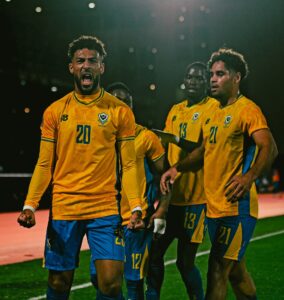
Gabon = Galatasaray: The Tourists
Gabon = Galatasaray: The Tourists
Then there’s Gabon. Much like Galatasaray, they show up at every tournament, but it’s clear that they’re not really in it to win it. They attend, maybe put up a good fight now and then, but you get the feeling that they’re more interested in the experience than the trophies.
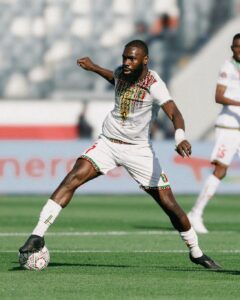
Mali = AS Roma: The Ever-Present, Never-Expected Winners
Mali = AS Roma: The Ever-Present, Never-Expected Winners
Mali is like AS Roma. They love to participate, and they always bring excitement and energy to the tournament, but deep down, everyone knows they’re not going to win. Still, they’re always a part of the AFCON story, and they’ll keep coming back year after year, knowing their place but never truly out of the picture.
By comparing AFCON’s teams to European football clubs, we’ve made a complex tournament a little more relatable. Whether it’s the heartbreak of Morocco, the underdog magic of Zambia, or the rising power of Senegal, AFCON is a tournament full of stories, legends, and plenty of drama. So as the tournament rolls around, know exactly what to expect — and maybe even find yourself rooting for one of these club analogies in the process!

 English
  French